
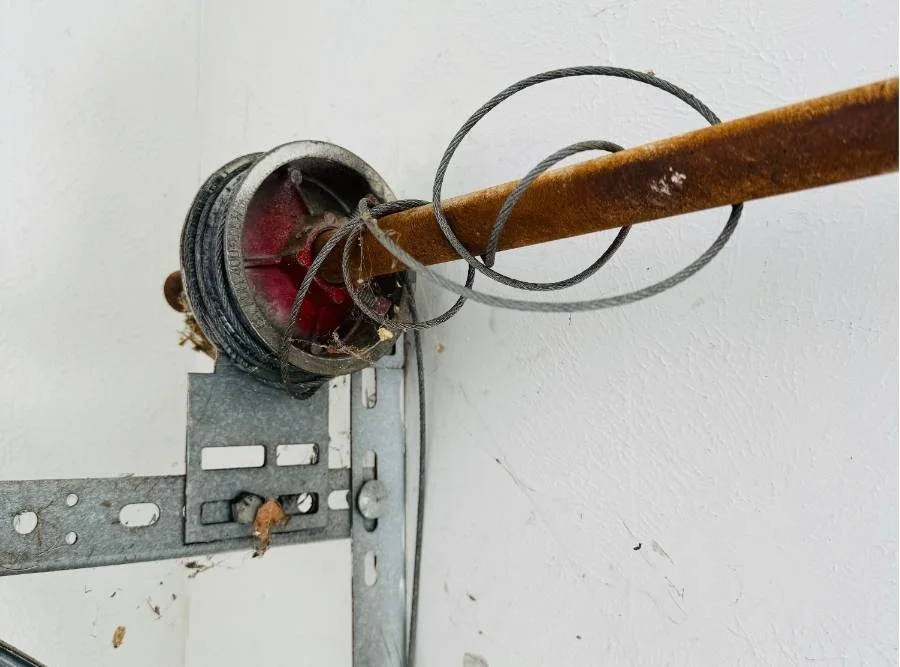
Garage Door Noise: What’s Normal vs. What Needs Repair
Your garage door is a mechanical system with motors, springs, rollers, tracks, and moving parts. A little noise is expected. But when your door begins to sound harsh, grinding, or alarming, it may be trying to tell you something is wrong. Knowing which noises are okay and which demand action can save you from serious repairs and safety hazards.
Here’s how to read the sounds: what’s normal, what’s warning, what to do and when you should call Ranger Garage Door Repair.
What Noise Levels Are Normal?
Some sounds are part of everyday operation. If your door is well-maintained, these are typically soft and consistent:
| Noise | Why It Happens | What’s Expected |
| Soft humming or whirring | The opener motor is running | A consistent, moderate hum, no strain or jerking. Rock Garage Door calls this a typical motor sound. |
| Gentle rolling or quiet “whoosh” | Rollers gliding along tracks | Smooth movement, minimal friction, no grinding sound |
| Faint clicking or creaking | Panels flexing, slight hardware movement | Minor creak on opening or closing, not extreme or loud |
If these are your only sounds and they haven’t changed in tone, become louder or erratic — your door is likely in fine working order.
Warning Noises: What They Often Mean
Here are common noises that suggest something is failing:
| Noise | Potential Cause | Why It’s a Concern |
| Squeaking / squealing | Dry rollers, hinges, or springs | Friction is burning away metal or parts. Should be resolved by lubrication or part replacement. |
| Grinding / scraping | Misaligned tracks, warped rollers, debris in track | These noises often mean metal-on-metal contact, accelerating wear. |
| Clunking / banging | Loose hardware, failing springs, shifting panels | A sudden “bang” may indicate a spring break or major misalignment. |
| Rattling / vibration / buzzing | Loose bolts, shaky components, opener chain slack | Over time, vibration can loosen more parts or damage components. |
| Popping / cracking | Warped panels, wooden expansion/contraction | Particularly for wood doors, moisture or temperature changes cause shifting. |
| Loud hum, whining or buzzing from opener | Worn motor, gear damage, failing control board | When the opener itself is noisy, it may signal imminent failure. |
Quick DIY Checks & Fixes
Some noise issues are minor and resolvable by homeowners if done safely:
- Lubricate moving parts
Use a proper garage-grade silicone or lithium grease on hinges, rollers, springs, and bearings. Avoid WD-40. (The Family Handyman and other sources stress lubrication as a first step.) - Tighten hardware
Check bolts, brackets, hinge screws — tighten if they’ve loosened from vibration. - Clean tracks
Remove dirt, debris, small rocks from the tracks. Use a dry cloth to wipe them clean. Don’t lubricate inside the track — just the moving parts. - Check roller condition
If rollers are damaged, cracked, or worn, replace them (especially metal ones). Upgrading to nylon or ball-bearing rollers can reduce noise. - Inspect the opener
If your chain or belt is slack or gear teeth seem worn, they may need adjustment or replacement.
These steps can resolve many minor noise problems. But when the noise is serious or involves springs, tracks, or opener internals — call a professional.
When to Call Ranger Garage Door: Repair Is Needed
Certain garage door problems signal it’s time to stop troubleshooting and call a professional. If you hear a loud bang or snapping sound, it’s likely a spring failure—one of the most dangerous garage door issues. Grinding or screeching noises that persist after lubrication often mean deeper mechanical wear. A door that jerks, binds, stalls, or doesn’t travel fully could be suffering from track or balance issues, while unusual noises inside the opener may indicate motor or gear damage.
Also watch for bent or misaligned hardware, consistent vibration, or straining sounds under load. Continuing to operate your door in these conditions can worsen the damage or even create safety hazards. At Ranger Garage Door Repair, our technicians diagnose issues quickly, repair or replace worn components, and thoroughly test all safety systems before leaving so your door works smoothly and safely again.
How Ranger Garage Door Repair Handles Noisy Garage Door Diagnoses & Repairs
At Ranger Garage Door Repair, we take garage door noise seriously—it’s often an early warning sign of mechanical stress. Our process starts with a thorough inspection and sound mapping, where we observe the door in motion to pinpoint the exact source of the noise. We then perform a component check, inspecting rollers, hinges, springs, tracks, and the opener for signs of wear, misalignment, or damage.
Next, we tune, tighten, and adjust, lubricating moving parts, tightening bolts, realigning tracks, and fine-tuning opener chain or belt tension. If any components are beyond repair, we replace them with high-quality, weather-resistant parts to ensure quiet, long-lasting performance. Afterward, we test multiple operation cycles, checking for smooth movement, safety sensor response, and consistent quiet operation. Finally, we provide maintenance advice and follow-up recommendations so you can prevent future noise issues. Our goal is simple: eliminate the sound and stop small problems before they turn into costly repairs.
Why Fixing Noise Matters
Addressing garage door noise isn’t just about comfort, it’s about prevention. Unusual sounds often signal friction, misalignment, or worn parts that, if ignored, can shorten your door’s lifespan. Fixing noise early helps reduce wear and tear, protect expensive components like the opener and tracks, and prevent safety hazards caused by failing springs or hardware.
A properly maintained door should operate smoothly and quietly. Keeping it that way not only preserves your home’s value and appearance but also spares you from costly repairs down the road. That “little noise” you hear today could be the first sign of a stress fracture or major failure tomorrow—fixing it now keeps your door reliable for years to come.


