7 Critical Warning Signs Your Garage Door Cables Are Failing (And When to Call Professional Repair Services Near You)
When your garage door cables start failing, it’s not just an inconvenience—it’s a serious safety hazard that could put your family at risk and leave your home vulnerable. As a trusted garage door repair service in your local area, we’ve seen firsthand how ignoring these warning signs can lead to costly emergency repairs and dangerous situations.
If you’re experiencing any unusual garage door behavior, don’t wait. Understanding these critical warning signs could save you thousands in repairs and prevent serious injury.
What Are Garage Door Cables and Why Do They Matter?
Garage door cables are the unsung heroes of your garage door system. These heavy-duty steel cables work alongside your garage door springs to safely lift and lower your door, supporting the entire weight—often 150-400 pounds—of your garage door. When cables fail, the entire system becomes unstable and dangerous.
Located on both sides of your garage door, these cables connect to the bottom of the door and run through a pulley system to help balance the door’s weight during operation. Without properly functioning cables, your garage door opener works harder, springs wear out faster, and the door becomes a serious safety hazard.
7 Critical Warning Signs Your Garage Door Cables Need Professional Repair

1. Visible Cable Damage: Fraying, Kinking, or Breaking
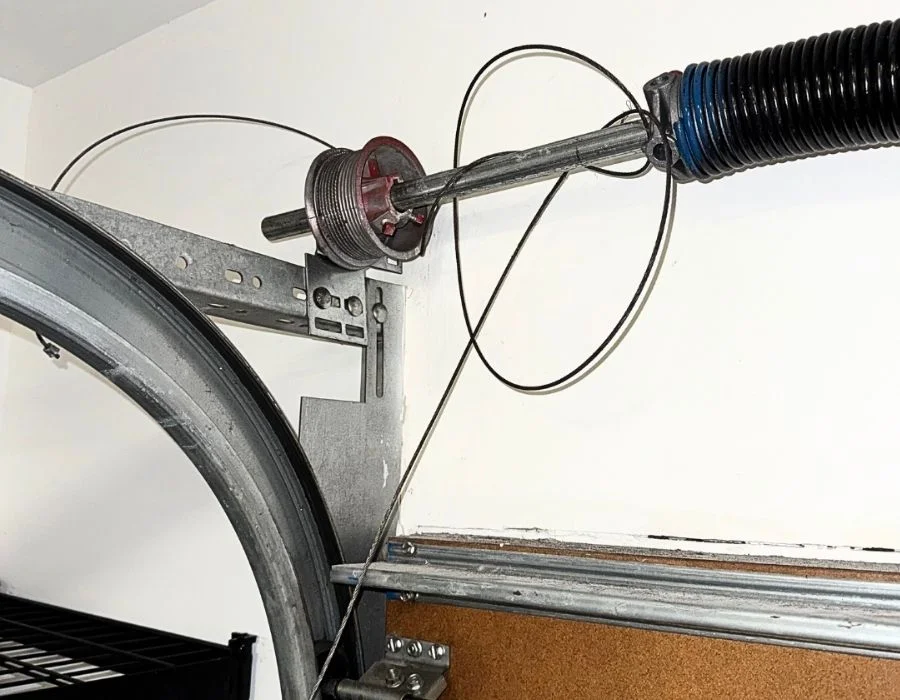
What to look for: Examine your cables closely for signs of wear. Healthy cables should appear uniform and smooth. Watch for:
- Frayed or unraveling steel strands
- Kinks or twisted sections
- Visible breaks or snapped portions
- Corrosion or rust buildup
Why it matters: Even minor fraying can quickly escalate to complete cable failure. A single broken strand weakens the entire cable’s integrity, creating an unpredictable failure point that could cause your door to crash down without warning.
Immediate action: If you notice any visible damage, stop using your garage door immediately and contact a professional repair service in your area.
2. Garage Door Tilting or Operating Unevenly
What to look for: Your garage door should move up and down in a perfectly straight, level motion. If one side moves faster than the other or the door appears crooked during operation, this indicates cable problems.
The danger: An uneven door puts excessive strain on your garage door opener and can cause the door to bind in the tracks or fall completely. This uneven operation often means one cable is stretched, damaged, or has lost tension.
Professional insight: Many homeowners try to adjust this themselves, but cable tension requires specialized tools and expertise to balance safely.
3. Unusual Noises During Door Operation
Listen for these sounds:
- Grinding or scraping noises
- Sudden snapping or popping sounds
- Excessive creaking or groaning
- Banging noises when the door moves
What these sounds mean: These noises often indicate cables rubbing against other components, slipping on pulleys, or experiencing excessive tension. A sharp snapping sound could mean a cable has just broken.
Important note: If you hear a loud snap followed by the door becoming difficult to operate, stop using the door immediately—a cable may have completely failed.
4. Loose or Slack Cables
Visual inspection: Properly tensioned cables should appear taut when the door is closed. Slack or hanging cables indicate:
- A broken cable on one or both sides
- Improper spring tension
- Worn pulleys or cable connections
- Recent cable slippage from its mounting points
Safety concern: Slack cables can’t properly support your door’s weight, meaning your springs and opener are working overtime. This puts enormous stress on all system components and increases the risk of catastrophic failure.
5. Garage Door Won’t Open or Close Completely
Common scenarios:
- Door gets stuck halfway up or down
- Door opens partially then stops
- Door requires multiple attempts to fully open/close
- Manual operation becomes extremely difficult
Root causes: Failed or failing cables can’t properly assist in lifting the door’s weight, causing the opener to struggle or safety systems to engage. This often happens gradually as cables stretch and lose effectiveness over time.
6. Door Feels Heavier Than Usual
The test: With the door closed and opener disengaged, try manually lifting your garage door. A properly balanced door should lift smoothly with minimal effort—you should be able to lift it with one hand.
Warning signs:
- Door feels significantly heavier than before
- Requires two people to lift safely
- Won’t stay up when partially opened
- Drops quickly when released
What this means: When cables fail, they can’t assist with the door’s counterbalance, making manual operation dangerous and putting excessive strain on your opener motor.
7. Garage Door Shaking or Vibrating During Operation
Observable symptoms:
- Door panels vibrating excessively
- Whole door shaking during movement
- Rattling sounds from the cable area
- Unstable movement patterns
The underlying problem: Shaking typically indicates loose cables, worn pulleys, or improper cable routing. This instability creates a dangerous situation where the door’s movement becomes unpredictable.
Safety warning: A shaking garage door is a serious safety hazard—the instability could lead to sudden failure and injury.
When to Call Professional Garage Door Cable Repair Services

Immediate Professional Help Required:
- Any visible cable breaks or severe fraying
- Door won’t open or has fallen completely
- Loud snapping sounds during operation
- Door operating extremely unevenly
- Complete loss of manual lifting ability
Schedule Professional Inspection Soon:
- Minor fraying or wear visible on cables
- Slight uneven operation
- Increased noise during operation
- Door feels slightly heavier than usual
The Dangers of DIY Cable Repair
Garage door cable repair is not a DIY project. These systems operate under extreme tension—up to 400 pounds of force—and improper handling can result in:
- Severe injury from snapping cables or falling doors
- Further damage to your garage door system
- Voided warranties on your door and opener
- Increased repair costs from compounded problems
Professional technicians have specialized tools, safety equipment, and expertise to safely diagnose and repair cable issues while ensuring your entire system operates correctly.
How Professional Cable Repair Services Work
When you call a qualified garage door repair service in your area, here’s what to expect:
Initial Assessment: Technicians inspect the entire door system, not just the cables, to identify all issues and potential problems.
Safety First: Professionals use proper safety equipment and techniques to safely release tension and access cables without injury risk.
Quality Parts: Reputable services use high-quality replacement cables designed for your specific door weight and system type.
Complete System Check: After cable repair or replacement, technicians test and adjust the entire system to ensure safe, balanced operation.
Warranty Protection: Professional repairs typically include warranties on both parts and labor, protecting your investment.
Preventive Maintenance: Keeping Your Cables Healthy
Regular maintenance can significantly extend your cable life and prevent emergency repairs:
Monthly Visual Inspections: Look for signs of wear, fraying, or damage during routine use.
Annual Professional Maintenance: Schedule yearly inspections with qualified technicians to catch problems early.
Keep Tracks Clean: Debris in tracks can cause uneven operation that stresses cables.
Lubrication: Proper lubrication of pulleys and moving parts reduces cable wear.
Balance Testing: Periodic balance checks ensure cables aren’t working harder than necessary.
Choosing the Right Local Garage Door Repair Service
When selecting a repair service in your area, look for:
Proper Licensing and Insurance: Verify the company is licensed and carries liability insurance for your protection.
Local Reputation: Check online reviews and ask neighbors for recommendations from services they’ve used successfully.
Transparent Pricing: Reputable companies provide clear, upfront pricing without hidden fees or pressure tactics.
Emergency Availability: Garage door problems don’t follow business hours—choose a service that offers emergency repairs when needed.
Experience with Your Door Type: Different door systems require specific expertise—ensure the service has experience with your particular door brand and style.
Cost Considerations for Cable Repair
Understanding typical repair costs helps you budget and avoid overcharging:
Factors Affecting Cost:
- Cable type and quality needed
- Complexity of your door system
- Additional components requiring repair or adjustment
- Emergency vs. scheduled service timing
- Local market rates in your area
Investment Perspective: Professional cable repair costs significantly less than emergency door replacement or injury-related expenses from DIY attempts gone wrong.
Don’t Wait Until It’s Too Late

Garage door cable failure isn’t a matter of “if” but “when.” Regular inspection and prompt professional attention at the first signs of problems can prevent dangerous situations, costly emergency repairs, and system-wide damage.
If you’ve noticed any of these warning signs, don’t risk your family’s safety or your property’s security. Contact a qualified garage door repair service in your area today for a professional assessment.
Remember: A few minutes of inspection and a professional repair call today can prevent hours of emergency repairs, thousands in damage costs, and potential injury tomorrow.
Looking for trusted garage door cable repair services in your area? Contact qualified local professionals who understand your specific needs and can provide safe, reliable repairs with warranty protection. Don’t let cable problems escalate into dangerous emergencies—get professional help at the first sign of trouble.
Emergency Contact: If your garage door has fallen or you notice broken cables, stop using the door immediately and contact emergency repair services. Your safety is worth more than any repair cost.


